Tiu Na Massage: performed before acupuncture
In traditional Chinese medicine, the Tui Na (pronounced twee-nah) massage performed before acupuncture serves a very specific clinical purpose. Think of it as "priming the engine" before the main work begins.
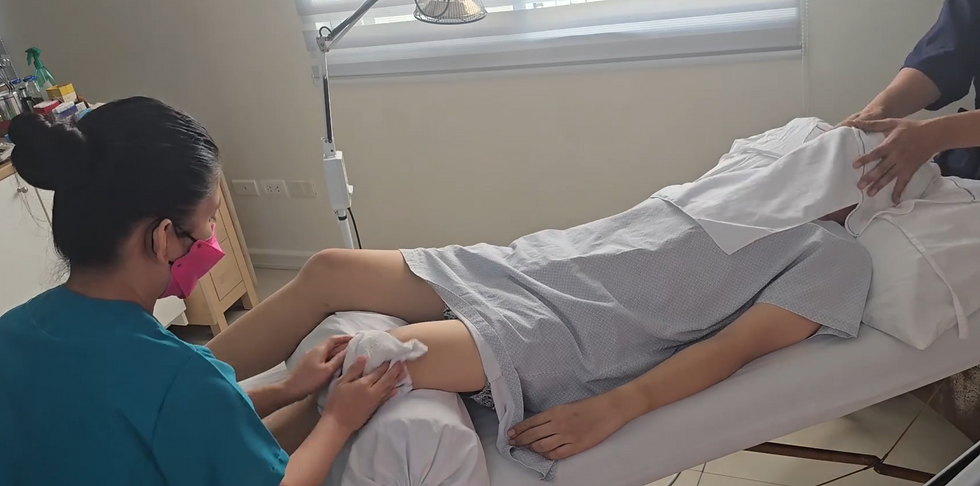
Here is a breakdown of the technique and why it is used as a precursor to the needles:
The Technique: "Pushing and Grasping"
The name comes from two of the most common actions: Tui (to push) and Na (to lift and squeeze). When performed right before needling, the focus usually shifts from deep tissue work to:
Palpation & Assessment: Using the hands to identify "Ah Shi" points (knots or trigger points) where the needle will be most effective.
Oscillation & Pressing: Using the thumb or palm in rhythmic, circular motions to soften the fascia and relax the muscle fibers.
Warming the Meridians: The friction from the massage increases local skin temperature and blood flow, which "awakens" the Qi in that area.
How Does Cupping Therapy Work?
Cupping therapy works by creating a vacuum that lifts the skin and underlying tissues. This process has several physiological effects:
Increased Blood Flow: The suction increases circulation to the area, which can help reduce inflammation and promote healing.
Release of Toxins: By drawing blood to the surface, cupping can help release toxins and stagnant blood from the body.
Muscle Relaxation: The suction can help relieve muscle tension and promote relaxation, making it beneficial for athletes and those with chronic pain.
Improved Range of Motion: By loosening tight muscles and fascia, cupping can enhance flexibility and range of motion.
Why Do It Before the Needles?
De-sensitization: It calms the nervous system. By stimulating the area with pressure first, the initial "pinch" of the needle is often felt much less by the patient.
Removing Obstructions: If the muscles are extremely tight, a needle can feel stuck or cause a dull ache. Tui Na relaxes those fibers so the needle can glide in smoothly.
Potentiating the Effect: In TCM theory, the massage starts the movement of energy. The needle then acts as a precise "anchor" or "director" for that movement, making the overall treatment more potent.


Comments